COIMA is also committed to supporting the communities within which it works through the action of Fondazione Riccardo Catella, a registered no-profit institution established in 2005 with the mission of improving the quality of urban life and promoting the culture of sustainability within the community.
The Foundation focuses on environmental sustainability and social inclusion through civic-cultural and research activities that aim to engage with the public and raise awareness of the importance of green urban spaces, the promotion of public areas and the adoption of sustainable behaviours in daily life.
The Foundation

Disseminates a culture of sustainability in the region

Develops civic projects for the optimization and enhancement of the urban environment

Promotes a responsible and sustainable approach toward urban development

Fosters an open collaboration with the public and non-profit sector
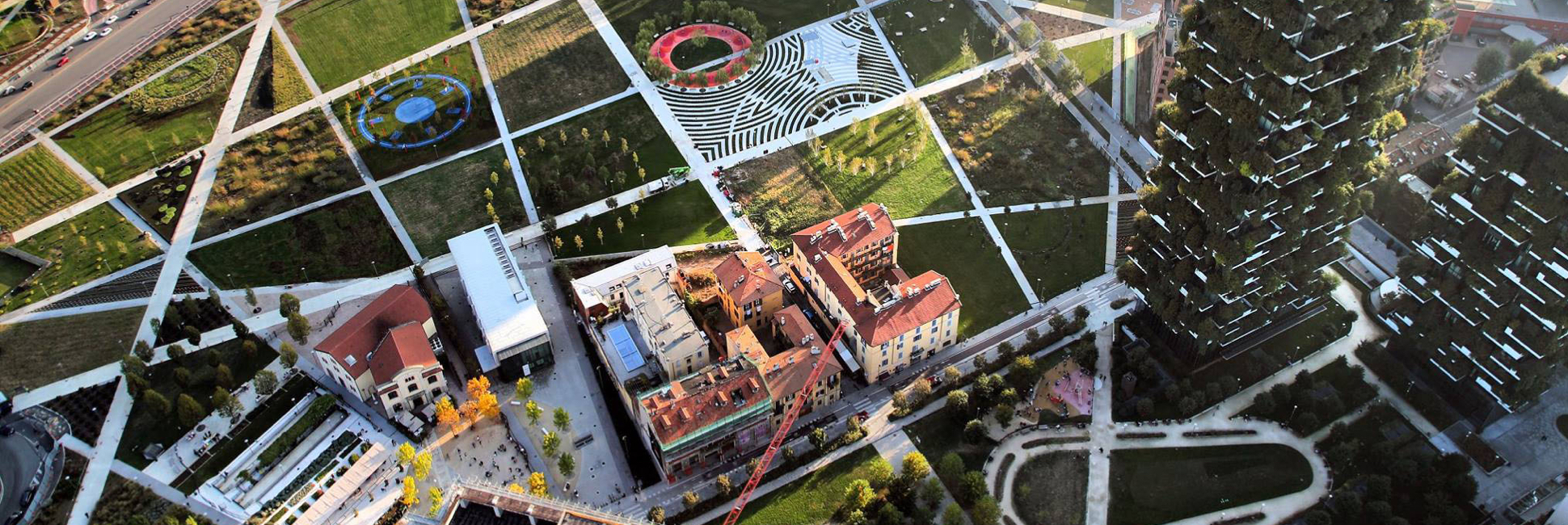
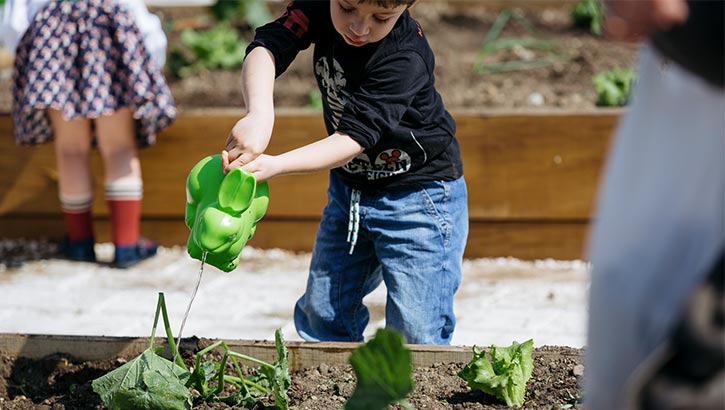
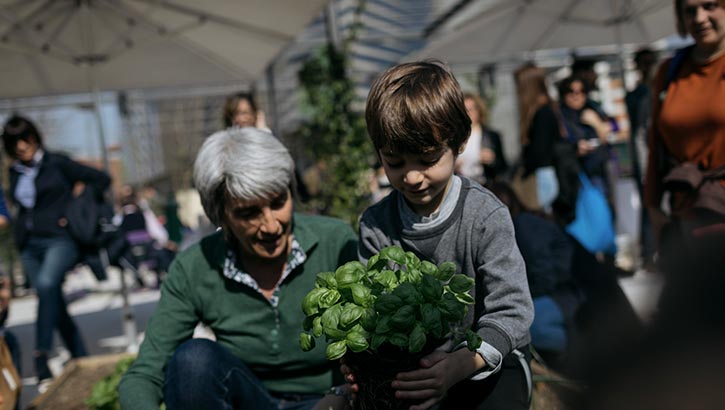
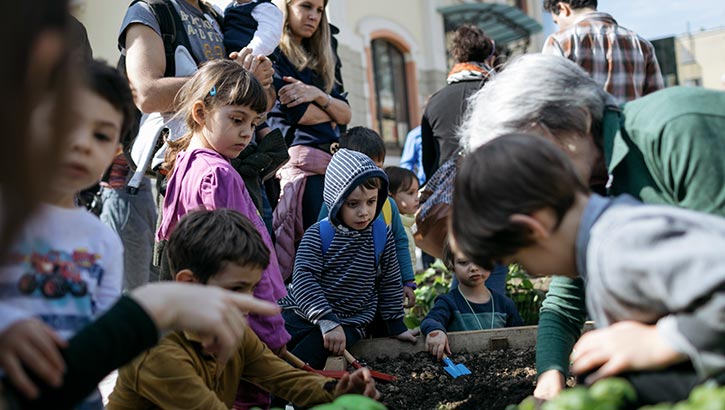
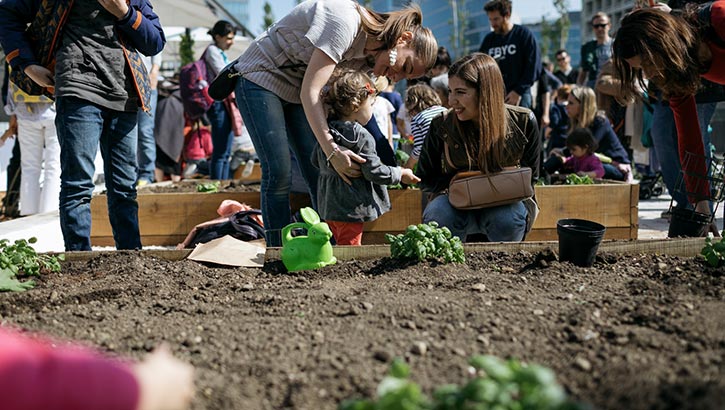
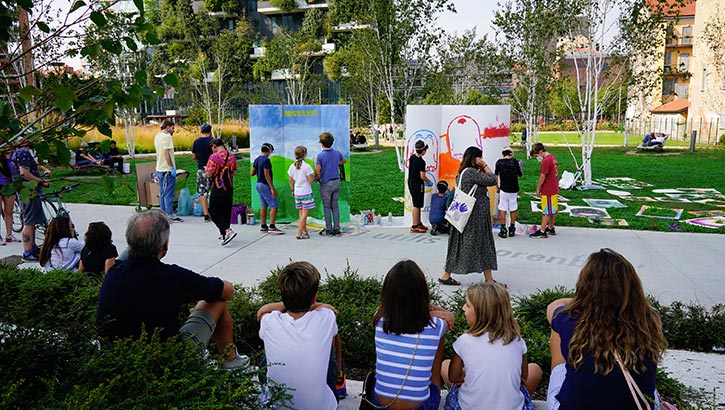
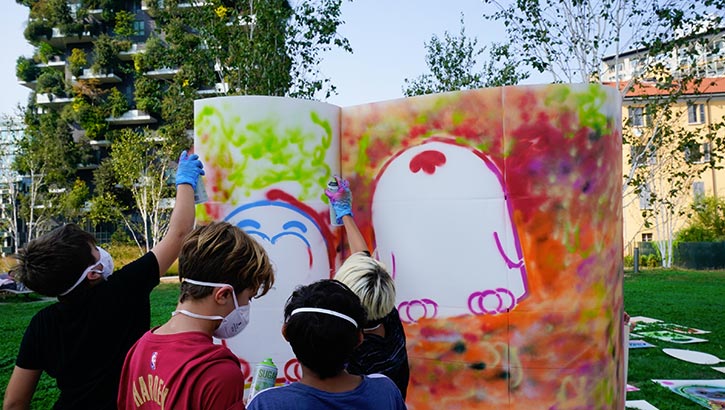
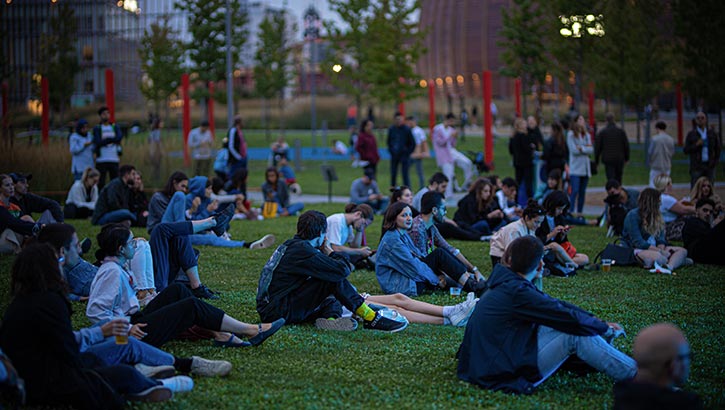
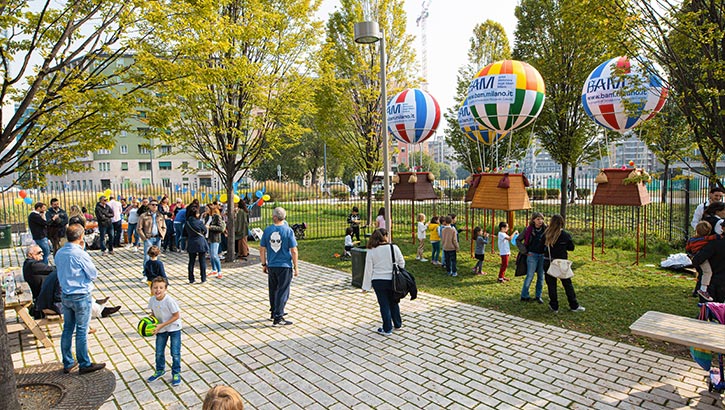
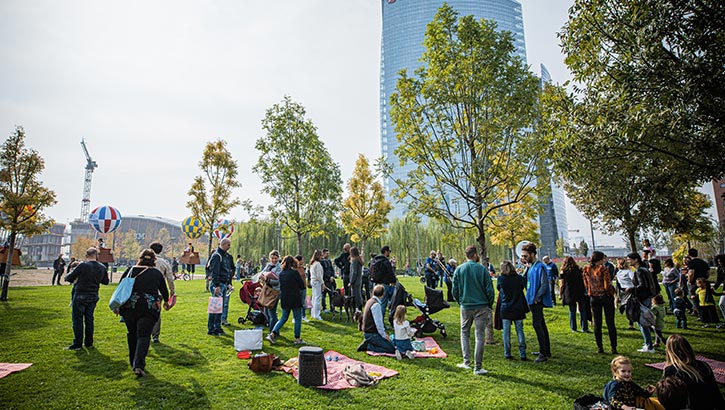
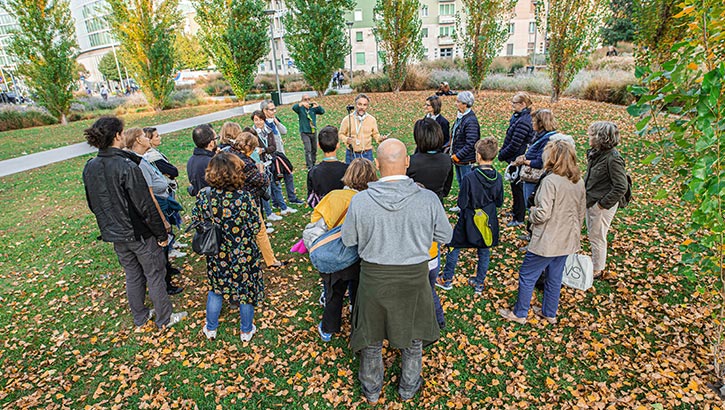
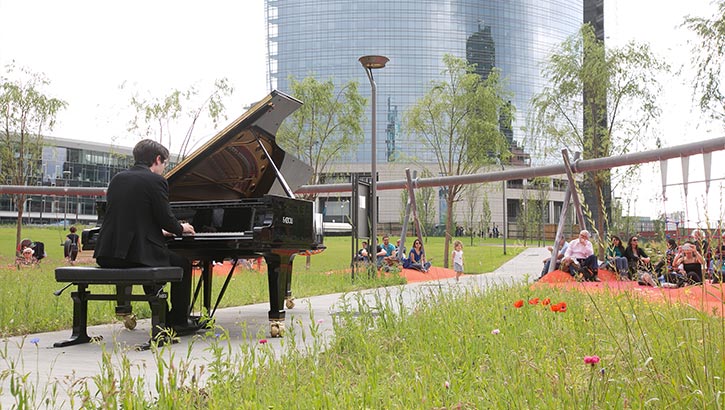
Since July 2019, thanks to an innovative public-private partnership with the City of Milan and COIMA, the Foundation is responsible for the management, security, maintenance and cultural programme of BAM (Biblioteca degli Alberi Milano). BAM’s programme translates into numerous initiatives: cultural guided walks, nature workshops, sporting activities, with a continuous effort to develop new formats that reshape the offering of cultural institutions, narrowing the distance between stage and audience, and reaching new audiences — for example teenagers, a group particularly affected psychologically by the pandemic.
Gallery
Find more